How to Improve Your Aim: Training Drills for Precision

To improve your aim, you must match your physical mouse movements to your on-screen sensitivity through daily repetition. Successful aiming relies on a mix of flicking for speed and tracking for consistency. Spend twenty minutes every day on isolated drills to build the muscle memory required for high level play.
How to Improve Your Aim with Sensitivity Tuning
The first step to better accuracy is finding a sensitivity that does not force you to overcorrect. Many players use a setting that is far too high, which causes the cursor to jitter or overshoot the target. Open your favorite video game and try to keep your crosshair on a single point while moving your character left and right. If you cannot stay on the target, lower your DPI or in-game mouse speed by ten percent at a time until the movement feels smooth.
Consistency is more important than being fast when you first start training. You should use a large mouse pad to give your arm enough room to move without lifting the mouse. Ensure that mouse acceleration is turned off in your computer settings so that the distance you move your hand always equals the same distance on the screen. This creates a reliable physical map in your brain for every shot you take.
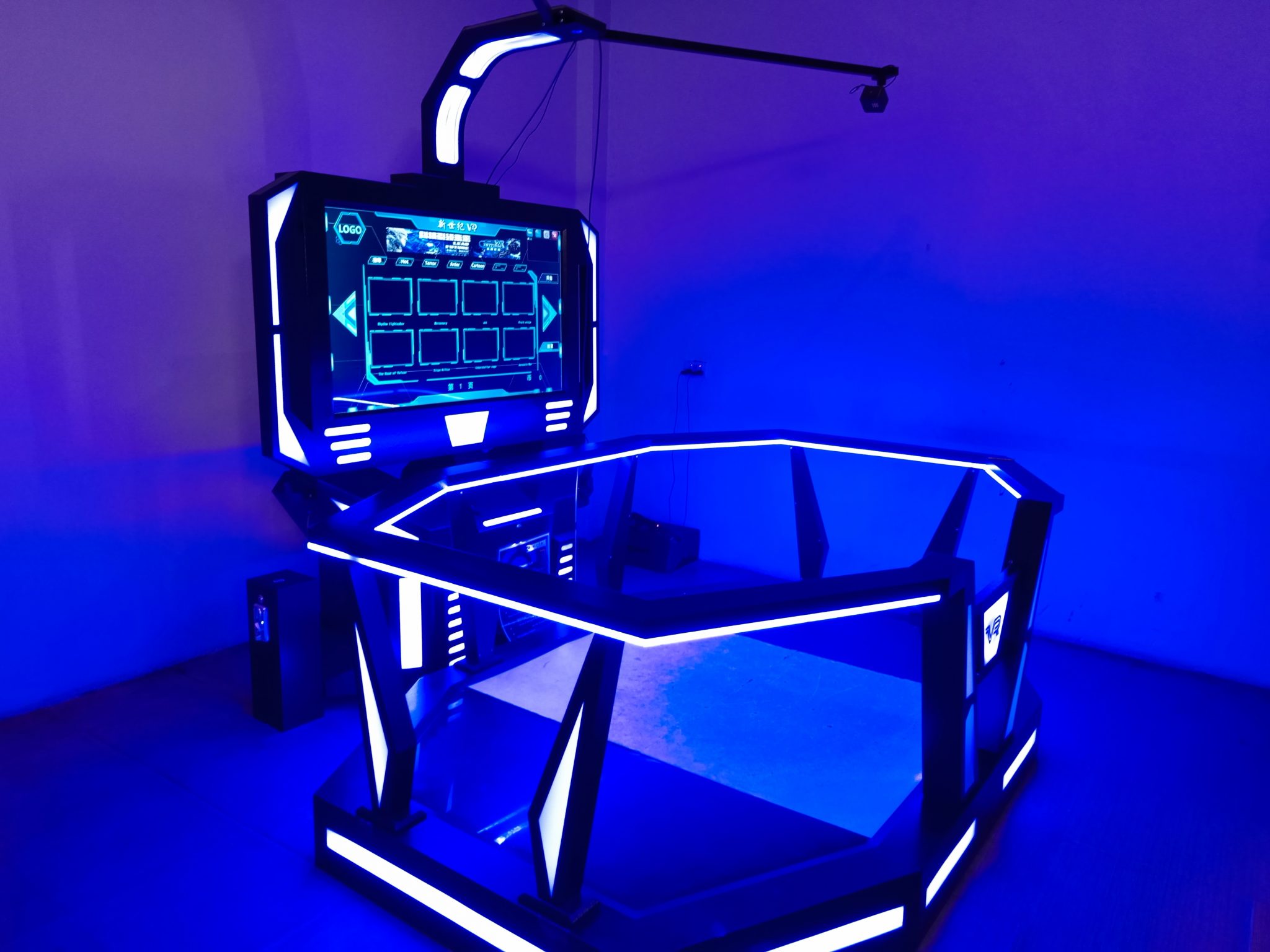
Daily Mouse Control and Flicking Drills
Flicking is the ability to move your crosshair to a target instantly from a neutral position. To practice this, place your crosshair in the center of a wall and pick a mark to the left or right. Move your mouse in one quick motion to hit that mark, then reset to the center. Do this for five minutes at the start of every session to warm up your arm muscles and your eyes.
- Select a small static target on a practice map.
- Keep your hand relaxed and avoid gripping the mouse too tight.
- Perform 50 slow flicks to the left to establish the distance.
- Perform 50 slow flicks to the right to balance your muscle memory.
- Increase your speed only once you can hit the target ten times in a row without missing.
Mastering Target Tracking for Better Accuracy
Tracking is the skill of keeping your crosshair on a moving target over a long period. This is vital in modern video game combat where players jump, slide, or run. Go into a practice range and follow a bot or a moving object for five minutes without clicking. Focus entirely on the gap between your crosshair and the target, making micro adjustments with your fingers rather than your whole arm.
Good tracking requires you to predict where the target will go next. Instead of reacting to where the enemy was a second ago, look at the direction of their character model. If you find yourself falling behind the target, your sensitivity might be too low. If you are shaking or moving past the target, your sensitivity is likely too high. Balance is the key to staying glued to an opponent during a fast fight.
Optimizing Your Physical Gaming Environment
Your physical posture dictates how well your nervous system communicates with your hand. Sit with your chair at a height where your elbows are at a ninety degree angle to the desk. This position prevents strain on your wrist and allows for a full range of motion. Professional players in Esports often use this exact setup to maintain peak performance during long matches.
- Clear at least 30 centimeters of space for your mouse pad.
- Sit with your back straight to avoid leaning too close to the monitor.
- Keep your monitor at eye level to reduce neck fatigue during tracking.
- Rest your entire forearm on the desk for more stable pivot points.
The Seven Day Training Schedule
You will see the most growth if you stick to a rigid schedule for one week. Dedicate the first ten minutes of your day to warm up drills before you enter a real match. Use five minutes for flicking and five minutes for tracking. Never skip the warm up, as playing with cold muscles leads to poor habits and frustration when you miss easy shots.
After your matches, spend another ten minutes in a dedicated aim trainer or a practice map. This helps you analyze why you missed shots during the day while the movements are still fresh in your mind. By the end of seven days, your hand will move to targets automatically without you having to think about the physical distance on your desk. This level of comfort is what separates average players from experts.
Comments
Post a Comment